Insights

Writing on coercive control, family court abuse, workplace abuse, trauma, and grief. Practical, grounded, and written for survivors, not about them.

Black and white portrait of person.

Poor Treatment, Not Poor Mental Health

Who hurt them? That’s the question I want to ask every time someone talks about “low mood” or “poor coping” as if distress just appears from nowhere. Most of the people I’ve worked with were not mysteriously unwell. They were reacting to something real. But we’ve learned to tell a tidier story. Call it “poor mental health” and nobody has to say “abuse.” That shift does real harm. Because when we stop at the label, when we never name the cause, we end up treating the smoke and ignoring the fire.
Read more >
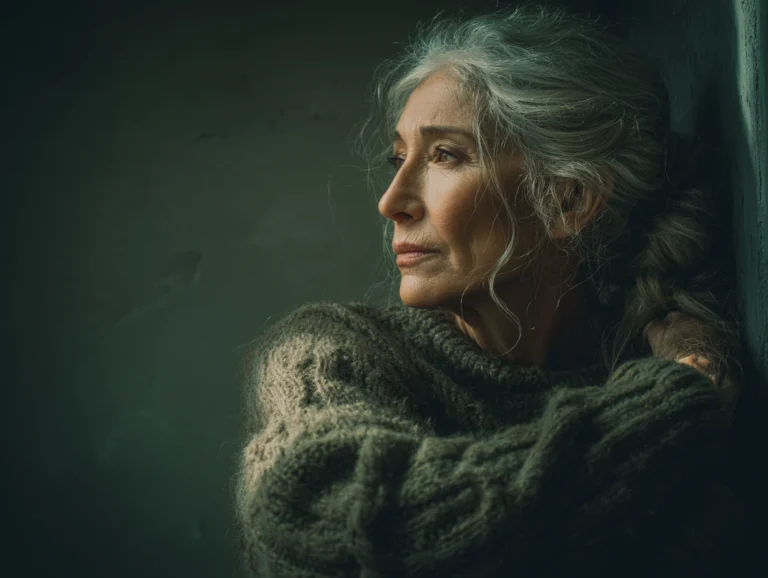
An older woman with grey hair gazes pensively into the distance, wrapped in a dark knit sweater, her expression reflecting quiet grief and contemplation.

Whose Deaths Matter Enough to Change the Law?

Fifteen people murdered at Bondi. A ten-year-old girl. A Holocaust survivor who died shielding his wife. Before the funerals were over, the machinery was locked in, protest bans, visa screening for beliefs, media monitoring, funding threats, the IHRA definition of antisemitism embedded across all levels of government. The concerns raised in July by Jewish Australians, civil liberties groups, and the man who actually wrote the definition were overridden. The attack didn’t create this agenda. It ended the debate. This piece documents what was built, who built it, and why it matters for every Australian, because when the state decides which grief counts, it eventually decides which voices don’t.

Read more >
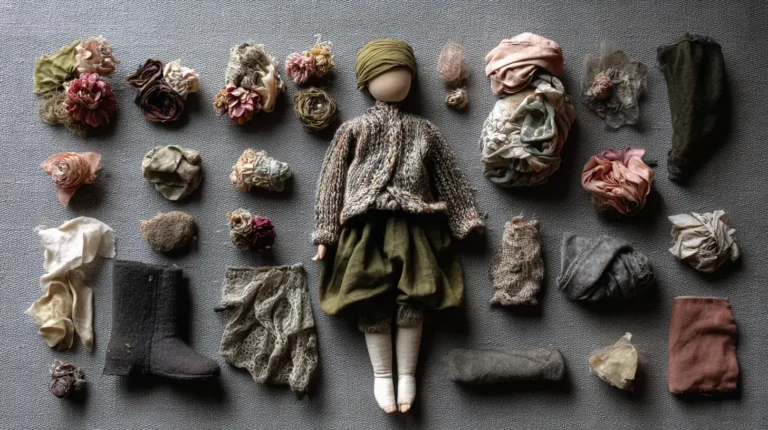
Handmade fabric doll with separated clothing and body parts laid out around it, representing trauma parts and survival responses.

What Therapists Mean by “Parts”

What therapists call “parts” isn’t fragmentation or pathology. It’s your nervous system running multiple survival strategies at once. This article translates parts work out of therapy-speak and into real, recognisable moments, and explains why understanding it this way can actually change how your body responds now.

Read more >
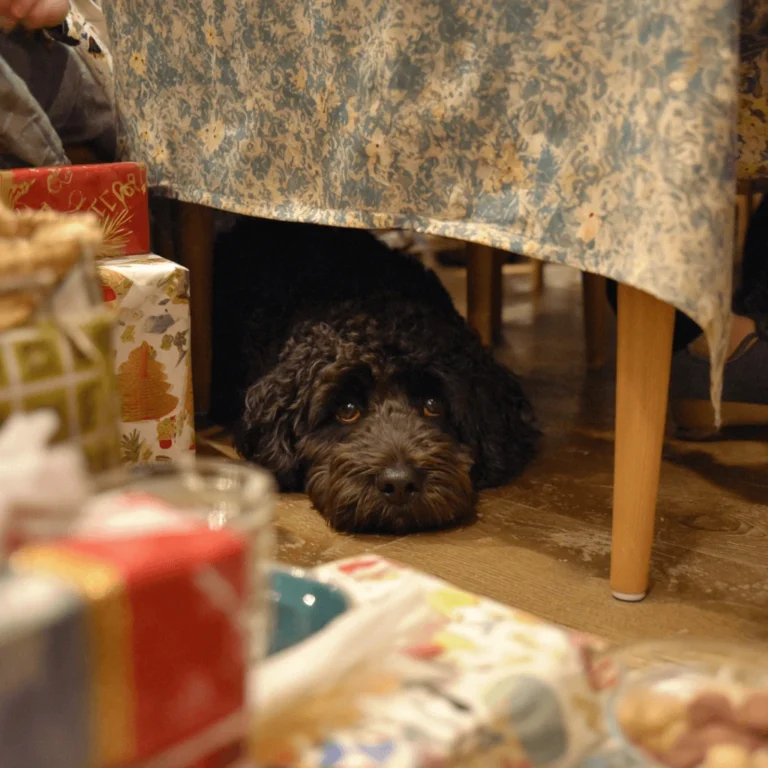
A small curly-haired dog lying under a dining table at Christmas, peeking out from behind tablecloth and presents with wide, cautious eyes.

If You Have to Go to Christmas: A Survival Kit

Sometimes you walk into Christmas the way you’d walk into a warzone you already know too well, not because you want to be there, but because life is messy and families are complicated and opting out isn’t always an option. If you have to go to Christmas this year, bring a survival kit. Park for a quick getaway. Sit with the dog, the only creature in the room without an agenda. Time-box your visit. Reward yourself afterward. This isn’t about decking the halls. It’s about getting out alive and breathing again in the quiet that follows.

Read more >
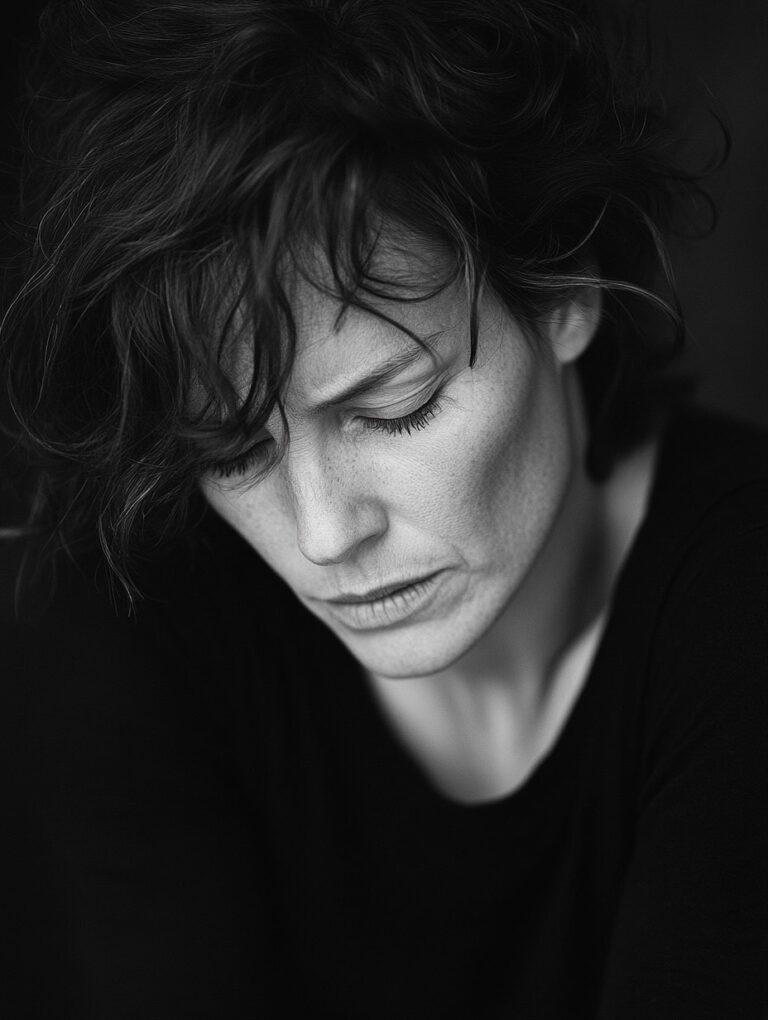
A black-and-white close-up portrait of a woman with freckles, soft lips, and expressive eyes looking slightly past the camera. Strands of hair fall near her face. The image is intimate and contemplative, with a quiet, unsettled mood.

When the World Burns and We Keep Eating Breakfast

You watch the news and something inside you fractures. How are humans doing this to other humans? Again. How do we keep watching it happen?

This article starts with the simplest, most devastating questions: Why do humans do this? And is this who we are? It’s not about politics or terminology. It’s about sitting in your kitchen with cold coffee and a sick feeling in your stomach, watching children pulled from rubble while everyone else goes to work, makes lunch, scrolls to the next thing.

It’s about the evolutionary wiring that says we survive together, and the 10,000 years of hierarchical systems built on domination and manufactured scarcity that taught us to look away. It’s about good people sitting there appalled, feeling their bodies break open at the horror, and wondering if that breaking matters. And it’s about the uncomfortable truth: we’re capable of both extraordinary compassion and systematic extermination.

The question isn’t which one is real. It’s which one we choose to feed.

Read more >

When you're ready, I'm here

Feel free to reach out and see how working togther can benefit you